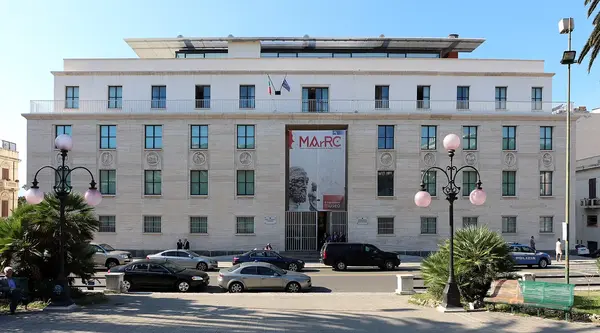
National Museum of Bergamot in Reggio Calabria
The Bergamot of Reggio Calabria: History, Essence and Identity. Grown nowhere else in the world, bergamot is the symbolic citrus fruit of Reggio Calabria. Its story blends geography, science, perfumery and tradition. At the heart of this heritage stands the Museo del Bergamotto di Reggio Calabria, a place that preserves centuries of innovation, culture and unique aromas.
Opening Days and Hours
- Monday to Saturday: 09:00 – 12:30 / 16:00 – 19:00
- Sunday: Closed
- Visits on Sundays and holidays are available for groups, students, and schools by appointment only
Museum Visit & Access
- Entrance contribution: €3 per person
Self-guided (~20 min) or guided tour (60–70 min in Italian, French, English).
Payment on site or by bank transfer; receipt available.
Experiences & Workshops
- Hands-on activities on bergamot cuisine, perfumes and essential oils.
From €7 to €20 per person (groups) — Masterclass: €50 per person
(Entrance contribution always added.)
Tastings, Brunch & Meals (entrance not included)
- Tastings from €6 to €15, buffet brunch €25, themed lunches €25–€35.
Complimentary tasting available in the museum shop.
A Citrus Born from Geography, Time and Human Ingenuity
From ancient Mediterranean trade routes to modern scientific research, bergamot has shaped the economy, culture and identity of Reggio Calabria. Its journey unfolds through cultivation, extraction techniques and global influence, all preserved at the Museo Nazionale del Bergamotto.
Origins, Microclimate and the Birth of a Unique Citrus
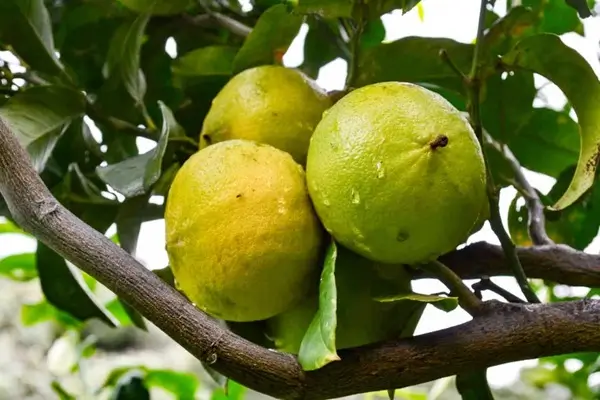
Bergamot (Citrus bergamia) is one of the most enigmatic citrus fruits in history. Although its genetic origin is still debated, it is generally considered a hybrid of bitter orange and citron or lime. However, what truly defines bergamot is not its ancestry, but its geography. The fruit grows exclusively along the coastal strip of Reggio Calabria, from Villa San Giovanni to the Locride area. Here, a rare balance of sea currents, constant ventilation, mild temperatures and mineral-rich soils creates an unrepeatable microclimate. As a result, bergamot develops an aromatic complexity unmatched elsewhere. Attempts to cultivate it in other countries have consistently failed to replicate its quality. For this reason, the Museo del Bergamotto di Reggio Calabria presents bergamot as a product generated by the land itself, rather than simply cultivated upon it.
From Ancient Civilizations to Modern Cultivation
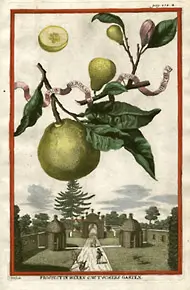
Historically, bergamot appears to have been known long before its official classification. In fact, archaeological discoveries reveal traces of bergamot essence in Egyptian tombs, Roman balsam containers and Bronze Age perfumed artifacts. Moreover, during the Arab domination of Southern Italy, advanced citrus-growing techniques spread throughout Calabria, preparing the ground for future bergamot cultivation. Written sources from the 17th and 18th centuries describe the presence of bergamot trees in aristocratic gardens around Reggio Calabria. The real turning point came around 1750, when Nicolò Parisio del Cardinale established the first intensive plantation. Consequently, bergamot cultivation expanded rapidly, reshaping the coastal landscape. This transformation is carefully documented at the Museo Nazionale del Bergamotto, where historical records illustrate how a rare fruit became an economic resource of international relevance.
The Essence that Changed Perfumery and Medicine
Bergamot is far more than a fruit: it is a raw material that revolutionized perfumery, medicine and gastronomy. Extraction techniques, industrial innovation and therapeutic applications converge in the story preserved by the National Museum of Bergamot in Reggio Calabria.
Extraction Machines and Industrial Innovation
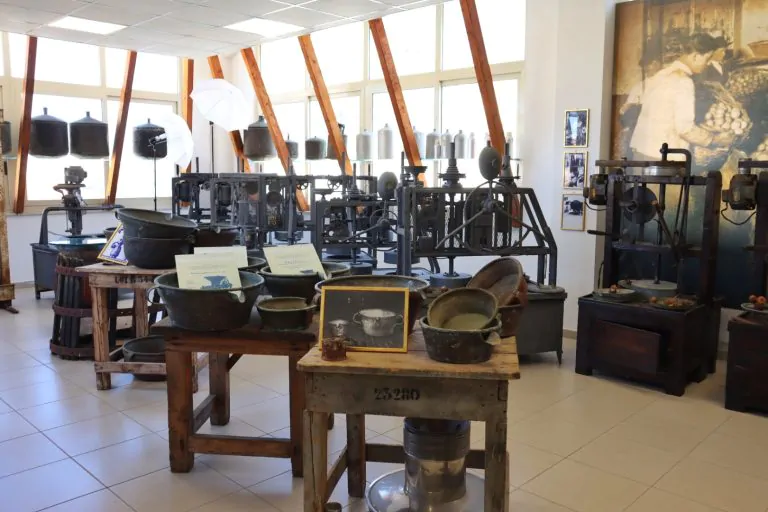
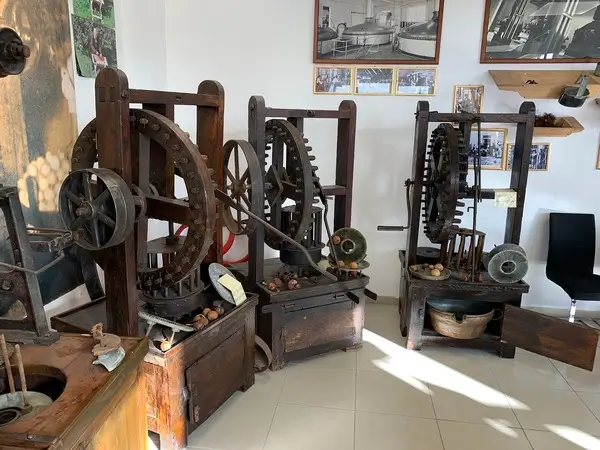
The true value of bergamot lies in its essential oil, extracted from the peel. Initially, this process was entirely manual and relied on natural sponges and ceramic containers called “concoline.” Although effective, this method required great skill and time. In 1844, however, Nicola Barillà introduced the “Macchina Calabrese,” which industrialized extraction without compromising quality. Therefore, production increased significantly and exports expanded across Europe and beyond. Today, the Museo del Bergamotto di Reggio Calabria displays original machines and tools that explain this technological evolution. These exhibits clearly show how innovation transformed a local tradition into a global industry.
Uses, Wellness and Cultural Legacy
In addition to perfumery, bergamot has always played a central role in health and nutrition. Modern studies confirm its high concentration of flavonoids and polyphenols, which help regulate cholesterol and support cardiovascular health. Historically, its essence was also valued for antiseptic and antibacterial properties. Moreover, bergamot influenced gastronomy through liqueurs, jams, sweets and the famous Earl Grey tea. Finally, this multifaceted heritage is fully interpreted at the National Museum of Bergamot in Reggio Calabria. More than a museum, it is a cultural center that connects history, science and tradition, explaining why bergamot remains an enduring symbol of Calabria.
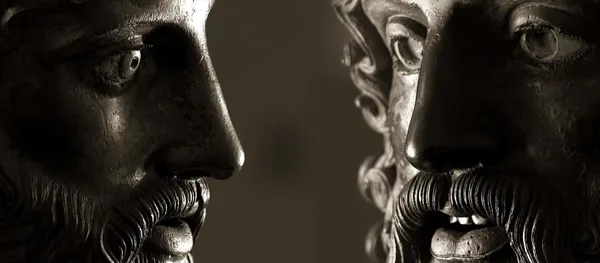
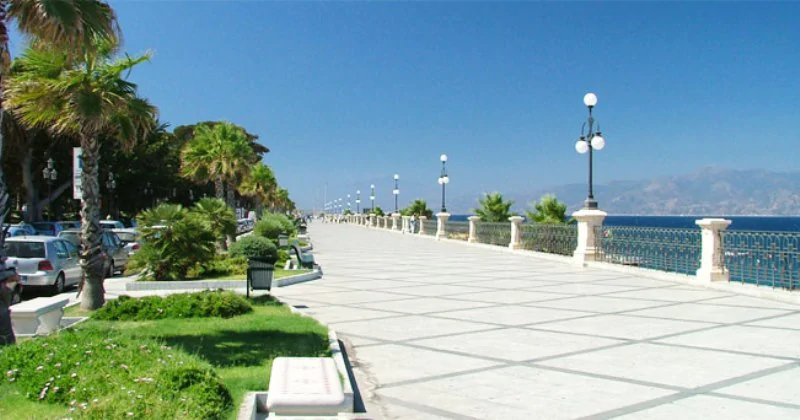
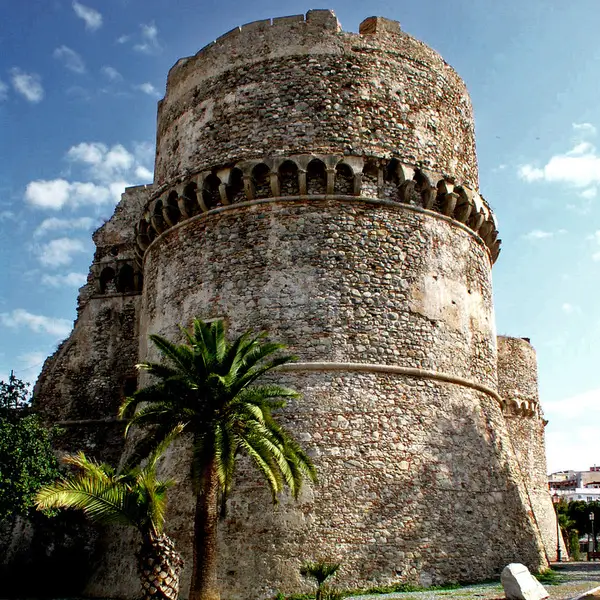
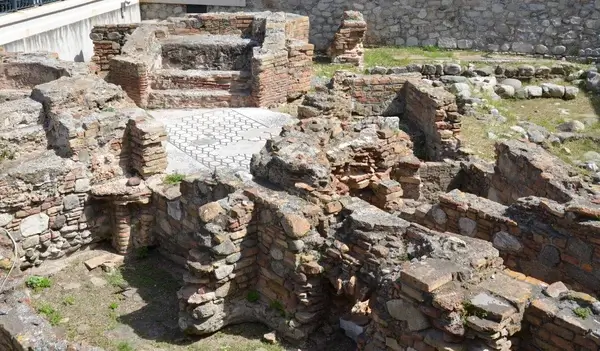
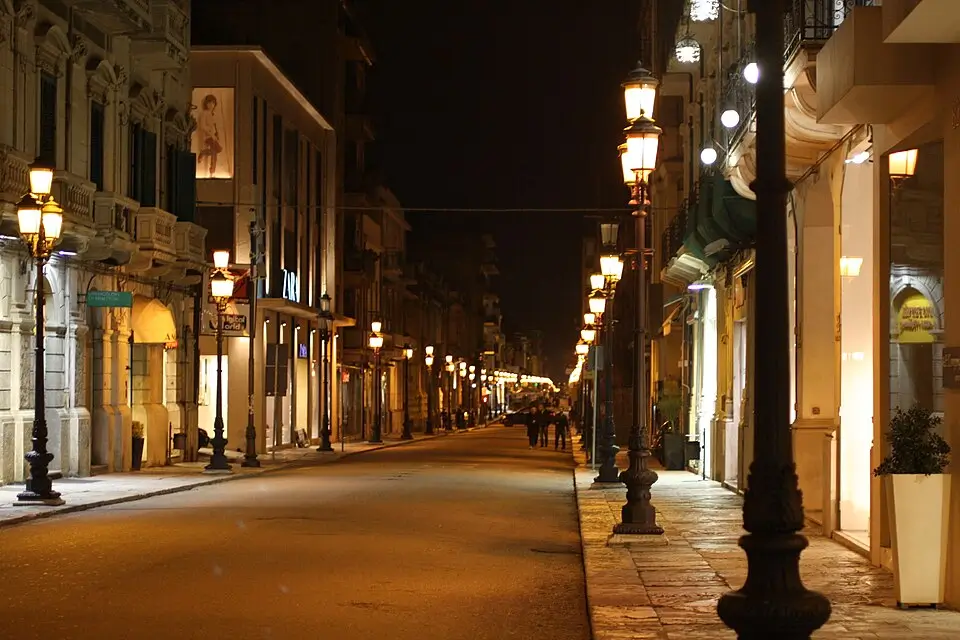
The 7 Wonders of Reggio Calabria
Reggio Calabria is a city where history, culture and breathtaking landscapes blend together. These seven wonders represent the true soul of the city, suspended between the sea, ancient civilizations and timeless beauty.

Eat, Drink & Shop
Just tap an icon to find places near you.
Quick Essentials
Need medicine, cash or daily essentials? Find nearby pharmacies, supermarkets and ATMs in one tap.
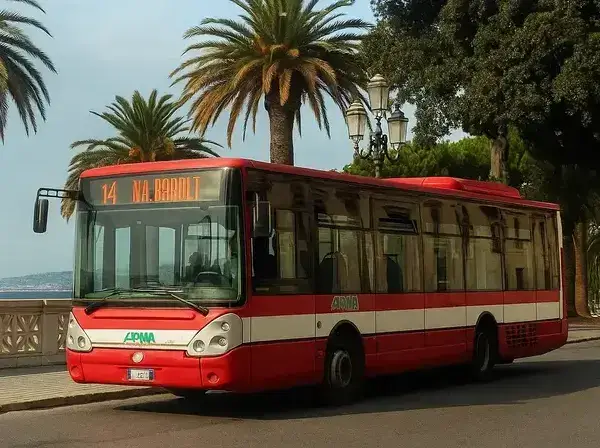
Line Bus Reggio Calabria
Find the stops, schedules, and connections for each direction and plan your trip easily.
Bus Tickets


Explore Nearly Attractions
Just steps from National Museum of Bergamot, uncover more of Reggio Calabria’s gems and hidden treasures